
In solar energy, performance decisions, contractual guarantees, and long-term financial outcomes all depend on one critical foundation: data quality.
While the industry has made significant progress in selecting high-accuracy irradiance sensors, measurement uncertainty does not end once a sensor is purchased. Installation practices, environmental conditions, maintenance routines, and long-term data management all influence the reliability of the data that operators use every day.
Why Small Measurement Errors Matter
Performance ratio calculations depend on several key inputs, including energy production, irradiance, and module temperature. When uncertainty exists in any of these measurements, it directly affects the confidence stakeholders can place in performance evaluations, forecasts, and financial models.
The Four Areas That Influence Data Confidence
During the discussion, Damon highlights four key areas where organisations may underestimate measurement risk:
Installation Discipline
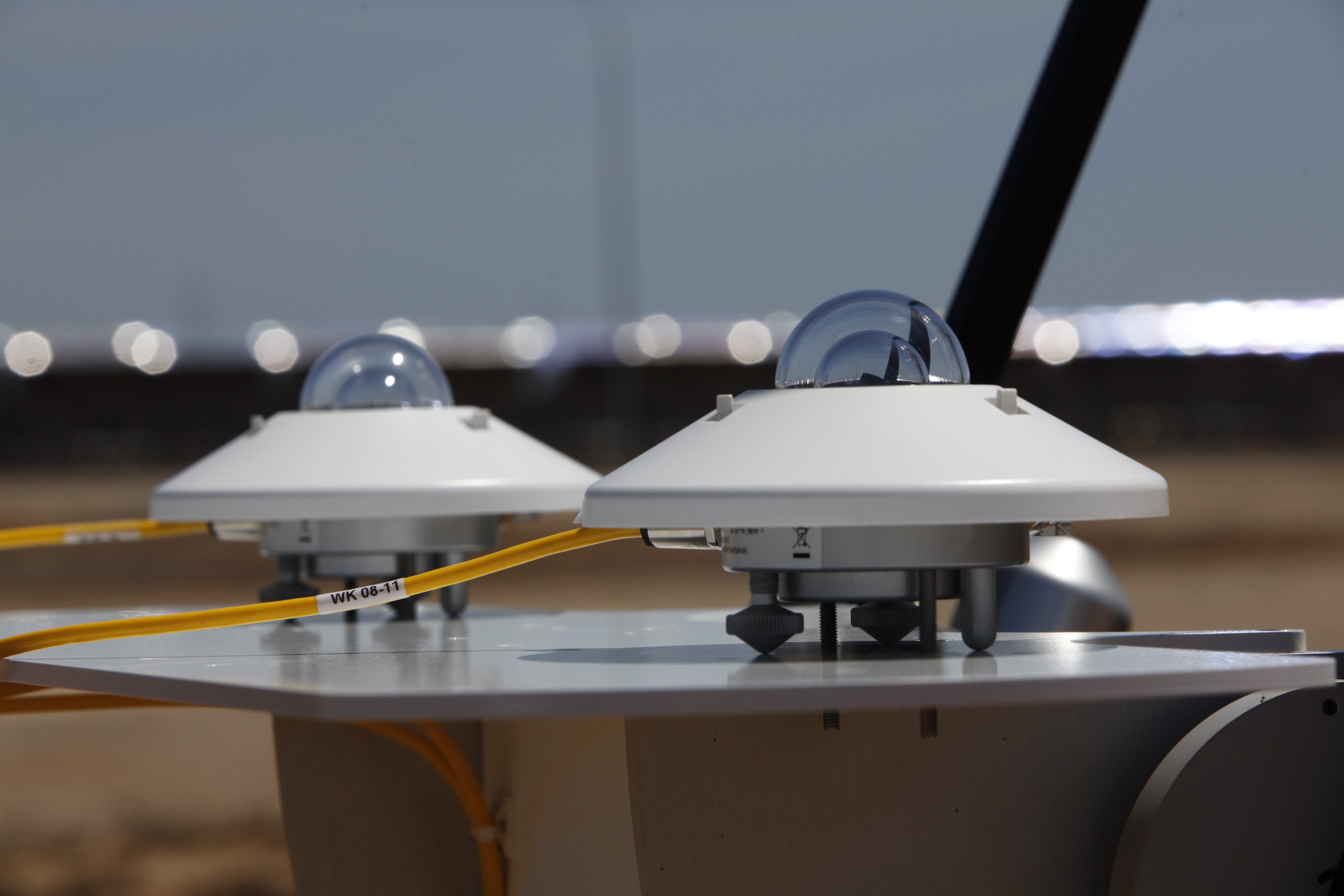
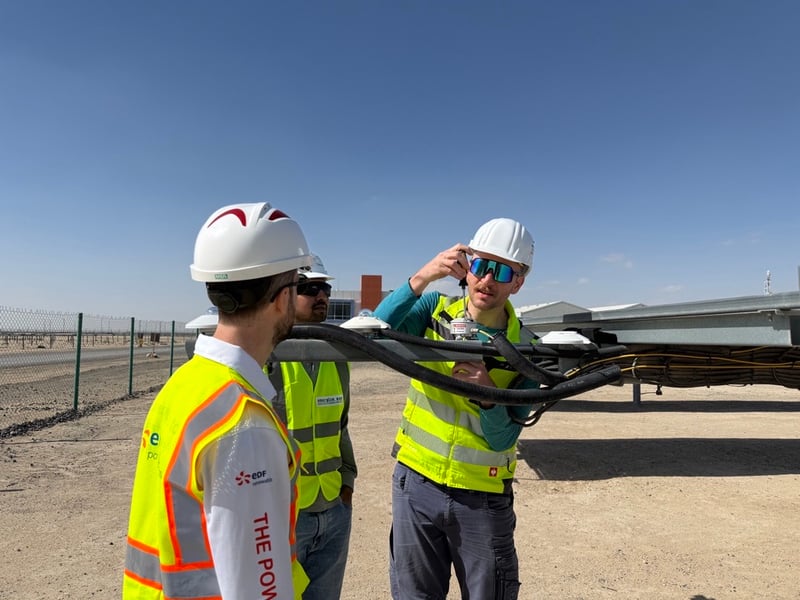
Even small deviations in sensor levelling, alignment, mounting stability, or maintenance procedures can affect measurement quality over time. Multiple minor errors can accumulate and create meaningful uncertainty in performance data.
Environmental Variability
Solar sites rarely experience perfectly uniform conditions. Factors such as terrain, cloud patterns, tracker positions, module location, and soiling can create variations across a site that may not be fully represented by a single measurement point.
Long-Term Data Governance
Reliable performance analysis requires confidence in the history of a measurement system. Documentation of installation, maintenance, cleaning activities, calibrations, and sensor adjustments helps teams determine whether changes in performance are real or simply the result of measurement drift.
Sensor Uncertainty
Manufacturers play an important role in designing and producing high-quality Class A instruments. However, once a sensor is deployed, its long-term performance depends heavily on how it is installed, maintained, and managed throughout its lifecycle.
From Sensor Selection to Risk Management
One of the key themes of the interview is that irradiance measurement should be viewed as a risk-management process rather than simply an instrumentation decision.
Selecting a high-quality sensor is an important first step, but it does not automatically guarantee high-quality data. Site teams must also ensure that sensors remain correctly positioned, properly maintained, regularly verified, and representative of the modules being monitored.
The discussion explores practical considerations such as sensor placement, mounting quality, levelling verification, cleaning frequency, calibration practices, and documentation procedures that can improve confidence in long-term performance measurements.
Watch the Full Conversation
In the video below, Damon shares real-world examples, lessons learned from utility-scale solar projects, and practical recommendations for reducing uncertainty in irradiance data.
Whether you are involved in plant design, commissioning, operations, maintenance, or performance analysis, this conversation provides valuable insights into improving measurement confidence and supporting more reliable decision-making throughout the lifetime of a solar asset.