
Confidence Starts Close to Home.
Every observation creates value beyond its original purpose.
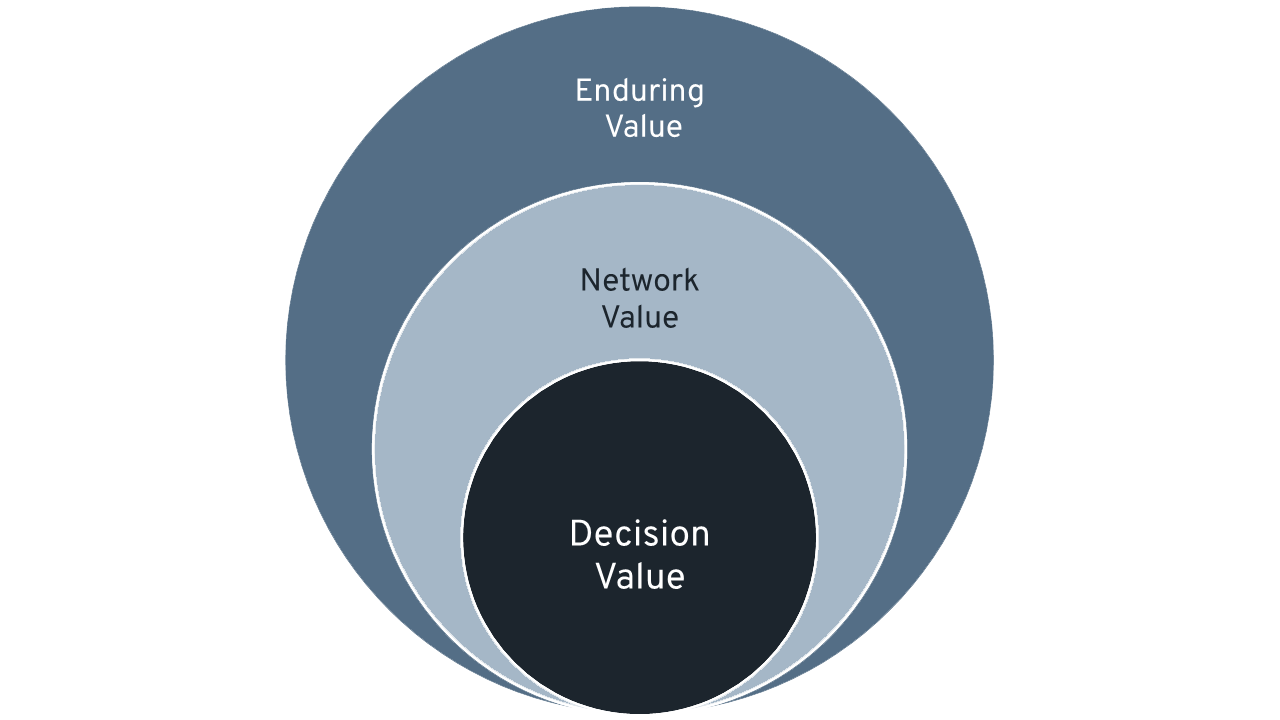
The value is not the sensor. It is the observation that keeps working.
The conventional buying question is simple: How many instruments do we need, and where should we place them? That question matters, but it is incomplete. A monitoring system creates value only when its observations remain accurate, available, comparable, and useful throughout the life of the decisions they support.
Recent lifecycle research exposes the weakness of treating installation as the finish line. Meteorological projects can meet procurement targets while operations and maintenance, calibration, communications, consumables, skills, and eventual replacement remain underfunded. Hardware delivery and service performance are not the same achievement. The better measure is continuity: is the observation still trustworthy and flowing when conditions become difficult, budgets tighten, or the original project closes?
What is the Three Rings of Value framework? The rings are not only geographic. They are also operational and temporal. Value compounds as an observation serves an immediate decision, strengthens connected intelligence, and remains dependable over time.

RING ONE: DECISION VALUE
A point becomes useful when it represents the decision.
A single measurement can identify a condition. A deliberately designed set of measurements can reveal its extent, verify that it is real, and show where action will have the greatest effect. Density is therefore not a simple count of instruments. It is the amount of spatial and operational uncertainty a network can remove.
Solar performance shows this clearly. Irradiance, module temperature, weather, soiling, and performance observations work together to separate resource conditions from equipment behavior. Across a large plant, conditions are not uniform. Wind, terrain, module position, row effects, dust, smoke, and haze can create patterns that one central instrument cannot represent. Multiple well-sited observations can turn a site reading into a decision map: where losses are developing, whether cleaning is justified, and whether a perceived performance issue is local or environmental.
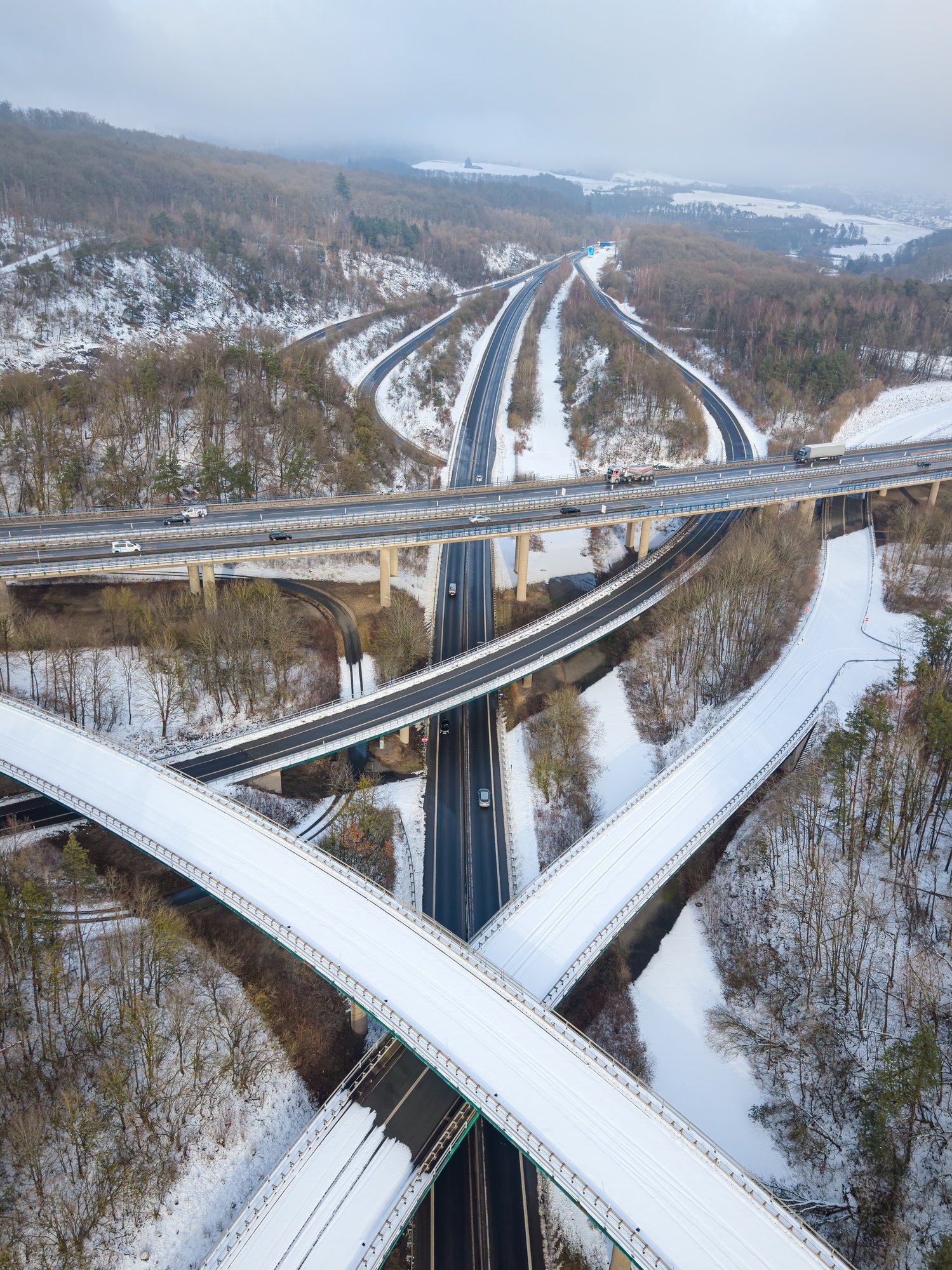
Road weather follows the same logic. A bridge deck, shaded bend, exposed grade, and open roadway can respond differently within the same corridor. Strategic density allows winter operators to detect localized hazards, target treatment, and avoid treating the entire network as if every segment were identical.
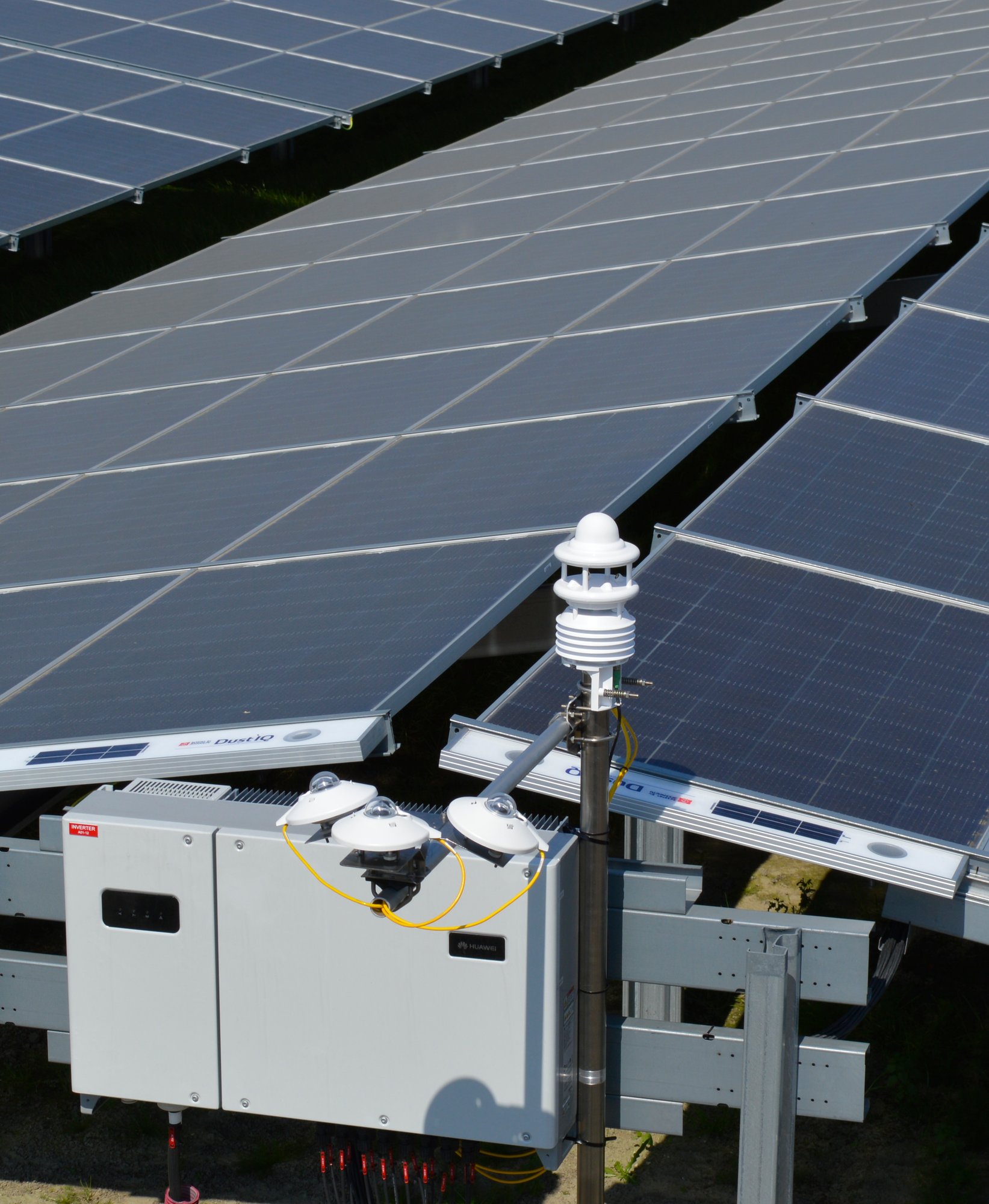
The relevant cost is not only the price of another measurement point. It is the cost of the blind spot it removes.
For Kipp & Zonen, this is where precision becomes practical. Decision-grade monitoring combines fit-for-purpose instruments, purposeful siting, traceable calibration, and enough corroboration to distinguish a real pattern from a questionable reading.
RING TWO: NETWORK VALUE
Connected observations reveal what no point can see alone
Weather does not respect a site boundary. Conditions that will affect an array, roadway, airport, city, or research station are often visible somewhere else first. When observations connect across a wider area, each participant gains context and warning time beyond what it could create alone.
Poland’s modernization of its solar radiation monitoring network provides a direct demonstration. The effort expands spatial coverage, increases the number of stations and instruments, and supports energy production, photovoltaic performance, forecasting, atmospheric understanding, national climate knowledge, satellite validation, and scientific collaboration. One investment therefore serves several communities at once.
The deeper lesson is not merely that larger networks collect more data. They make interpretation more reliable. Greater temporal and spatial resolution helps models and forecasters distinguish local variation from regional structure. Common methods and comparable observations allow knowledge to move between institutions rather than remaining trapped at the point of collection.
This ring also sharpens the role of data architecture. A sensor that cannot consistently transmit, describe, or integrate its observation contributes less network value than its measurement quality alone suggests. Metadata, open interfaces, consistent formats, communications resilience, and data-quality controls are part of the observation system, not accessories to it.
.png?width=960&height=960&name=Frame%20356%20(3).png)
RING THREE: ENDURING VALUE
The observation must survive the project that installed it
The contribution of local observations to national models and wider forecasting systems remains essential, but it is not enough. An observation creates long-term value only if the infrastructure, service model, skills, and financing needed to sustain it are designed from the beginning.
Lifecycle evidence from meteorological infrastructure projects shows a recurring pattern: equipment is purchased, installed, and briefly improves services; maintenance then lapses, transmission weakens, calibration falls behind, and replacement funding is absent. The network may still exist on paper while the observation service has degraded.
This leads to a stronger principle for the Three Rings of Value framework: success should move from stations installed to observations delivered. The enduring ring asks whether data remain complete, traceable, transmitted, standards-compatible, and available after the launch moment has passed.
For Kipp & Zonen, the stronger proposition is observation continuity: a multi-year arrangement that can combine instruments, commissioning, preventive maintenance, calibration, remote diagnostics, connectivity verification, spare-parts access, defined fault response, lifecycle assessment, and planned replacement. You are not buying possession of a box. You are securing dependable observation capability.
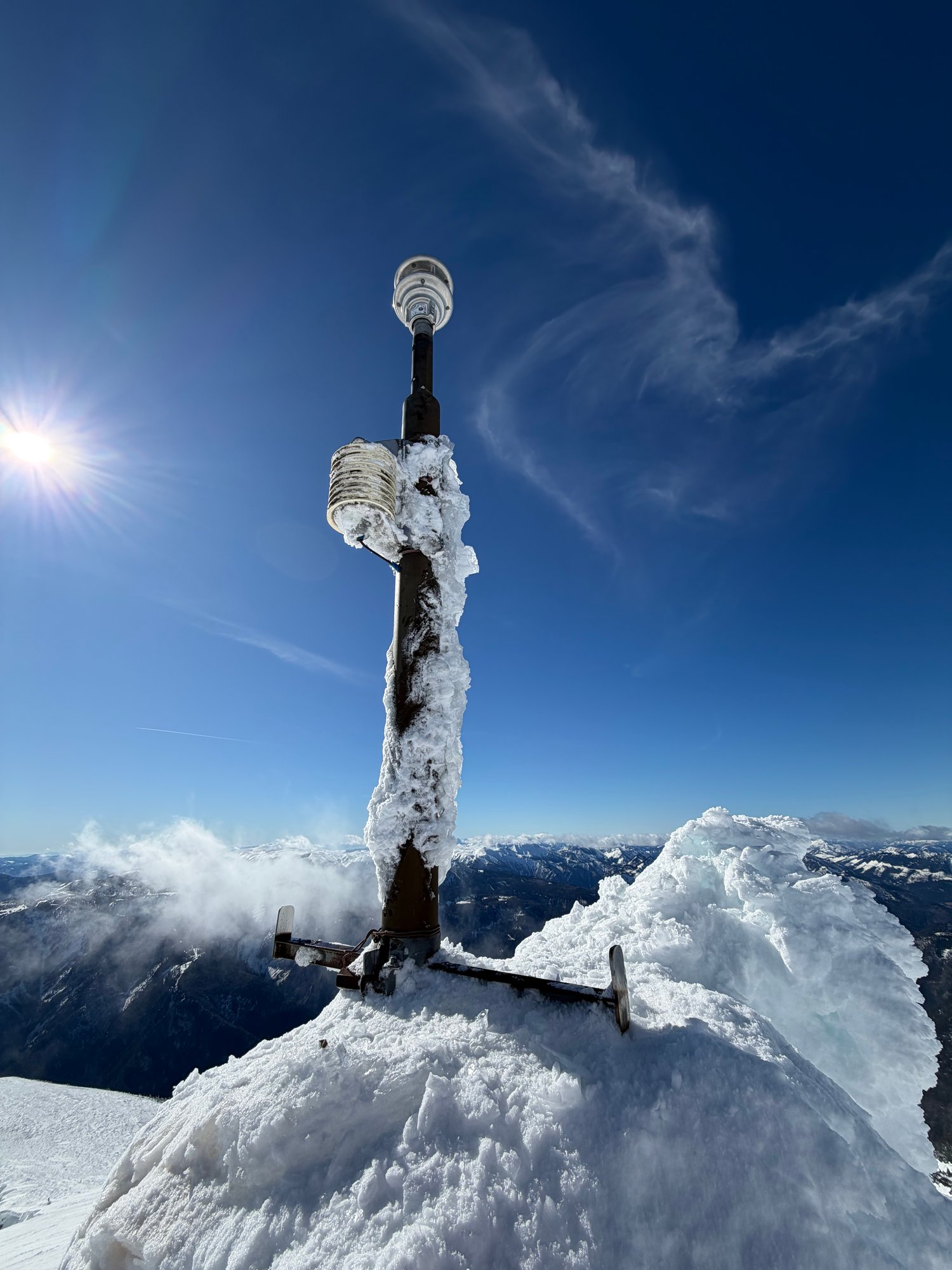
Installation creates capacity. Sustained observation creates value.
This long-term view strengthens the other two rings. A site cannot act confidently on drifting or unavailable data. A network cannot create shared intelligence from silent stations. Models cannot learn from observations that are inconsistent, undocumented, or missing when extreme conditions arrive.
What the WMO evidence adds
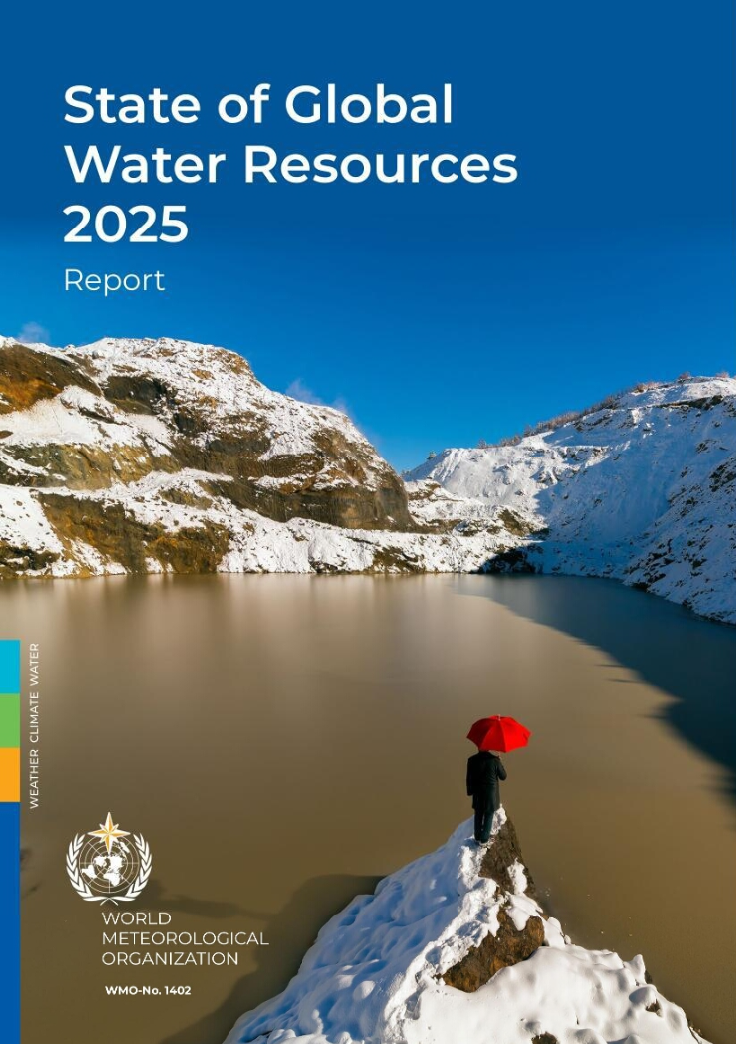
The World Meteorological Organization’s global water reporting reinforces the same structure from a different environmental domain. Local observations support local management, basin and regional planning, national assessment, and global understanding at the same time. The report’s growth in contributing stations and countries demonstrates that shared observations become more valuable as coverage expands.
Global assessment depends on sustained cooperation. The word sustained matters. Sharing is not a one-time transfer. It requires institutions, standards, operational continuity, and long-term stewardship. The collective picture is only as dependable as the observations that continue to enter it.
For Kipp & Zonen, that insight connects weather analytics directly to our brand story. Precise ground observations help calibrate and validate satellite products, strengthen forecasting and climate analysis, and provide the trusted reference that emerging AI methods still require. Advanced analytics do not reduce the need for ground truth. They increase the value of reliable, well-documented observations.
One observation. Three returns.
Three Rings of Value is no longer only an argument for density. It is an argument for multiplying the usefulness of every trusted measurement.
The first return is immediate: better decisions at the site, asset, roadway, airport, or research location. The second is connected: richer context, earlier warning, stronger interpretation, and shared intelligence across a network. The third is enduring: observations that continue to strengthen models, standards, scientific understanding, and future decisions because the system was built to last.
More Than Resilience. Confidence.
This is the practical expression of Kipp & Zonen’s brand story. Observe what matters. Build confidence from trusted evidence. Connect measurements into intelligence. Multiply the value of every observation. Contribute dependable ground truth to something larger.